
Be More McCartney
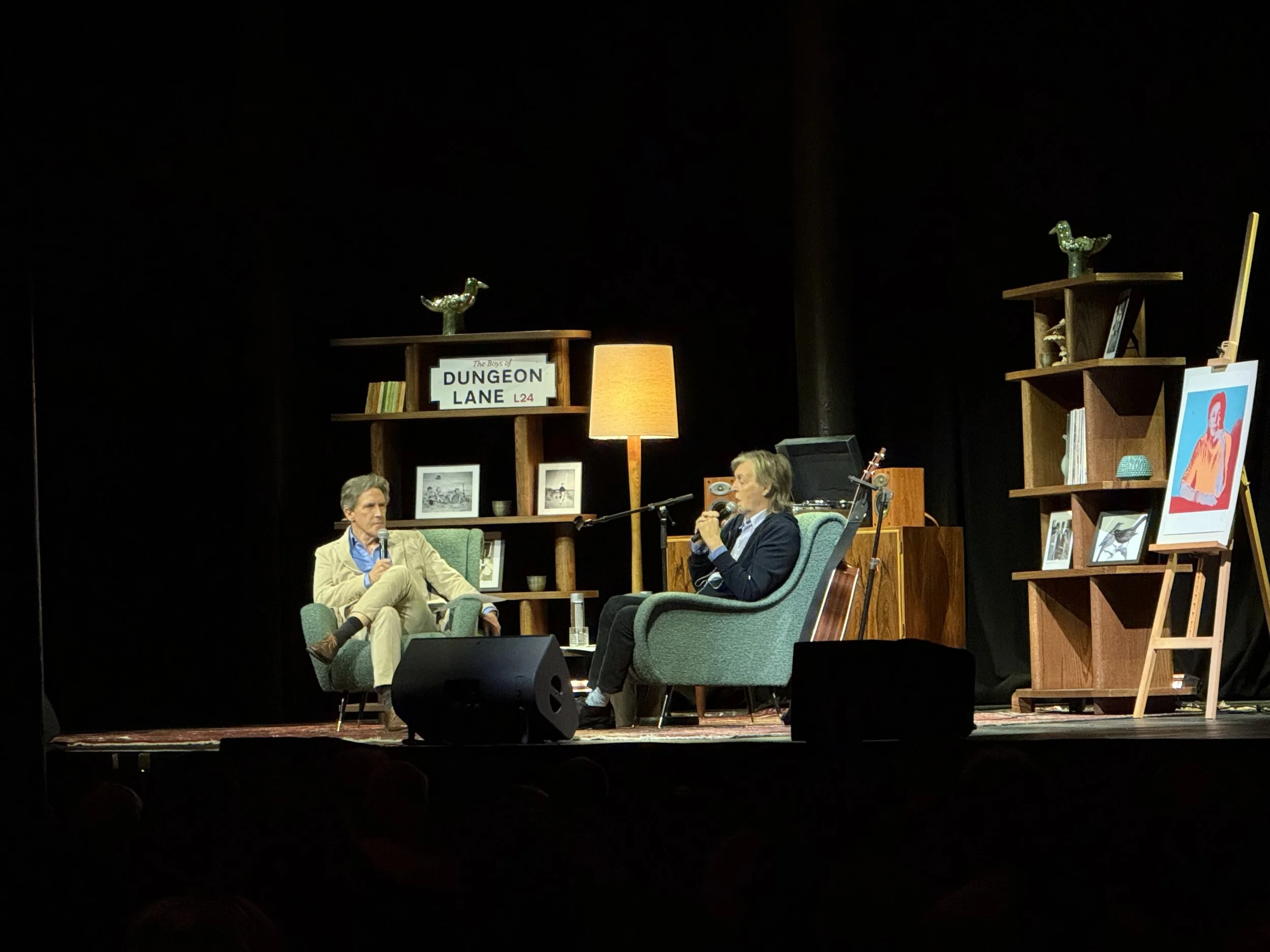
I've been obsessed with The Beatles for as long as I can remember, so when I heard tickets to see Paul McCartney discussing his new album The Boys of Dungeon Lane at The Roundhouse were going on sale, there wasn't much hesitation on my part when it came to parting with my cash.
It wasn’t a gig, there were no surprise performances - Paul simply sat in a chair, talking about the record and playing it from start to finish. The venue sold out immediately.
On the train home, I found myself thinking about something I've quietly believed for years: Paul McCartney might be one of the greatest communicators of our time.
Long before I found myself working in communications, I used to roll my eyes every time he reached for the same anecdotes. Whether he was introducing a song on tour or reminiscing about The Beatles in Anthology, the stories were almost always delivered in exactly the same way. If you're a Beatles fan, you'll know exactly what I mean. (If you're not, search "Paul McCartney raunchy" and you'll quickly get the idea.)
At the time, I put it down to habit. A well-oiled McCartney machine returning to the same material because it worked; but with hindsight, I think I completely misunderstood what he was doing.
The evening at The Roundhouse was ostensibly about a new album, yet the moments that really animated the audience weren't discussions about songwriting or recording techniques. It was Liverpool. Hamburg. John Lennon. Stories that most of us in the room had heard dozens of times before - and yet we all leaned in…
That was the moment it struck me that McCartney has never really been trying to tell new stories. He's been finding new ways to tell the same one.
Look back over the past thirty years and the pattern becomes obvious. Anthology introduced a generation to The Beatles. Peter Jackson's Get Back did exactly the same thing for another. The forthcoming Sam Mendes films will undoubtedly do it again. Each project arrives in a different format, but they're all expanding the same mythology.
The channels have evolved too.
A decade ago, McCartney was introducing himself to younger audiences by collaborating with Rihanna and Kanye West. Today he's appearing on Chicken Shop Date and Goalhanger podcasts because that's where the audience is in 2026. Different platforms, but the same story.
Organisations often convince themselves they need a new message every year. Sometimes they do, but more often they simply need to become better at telling the story they've already got.
The event itself reinforced that thought. Paul wasn't performing, at least not musically. He sat in a chair, chatted, answered questions and played us the record.
The room was completely captivated.
Not because everyone desperately wanted to hear a new album; but because they wanted an evening with Paul McCartney.
At 83, most people see a legacy act but I increasingly think McCartney sees an audience that hasn't discovered him yet. It's why the stories continue and why every generation seems to find its own way into The Beatles.
Most brands think in campaigns, but Paul McCartney thinks in decades.