
Putting the people behind Future Dreams House at the centre of its fifth anniversary and Breast Cancer Awareness Month.
The Brief
Five years after opening its doors in King’s Cross, Future Dreams House had become a place where people affected by breast cancer could find practical and emotional support outside a hospital setting. The anniversary and the charity’s Annual Lunch gave Future Dreams an opportunity to show what that support means in people’s lives.
The challenge was to use those two moments to build coverage through Breast Cancer Awareness Month, when charities, brands and campaigners are all competing for attention. We wanted people to come away knowing what Future Dreams does and where they could turn for support.
The Campaign
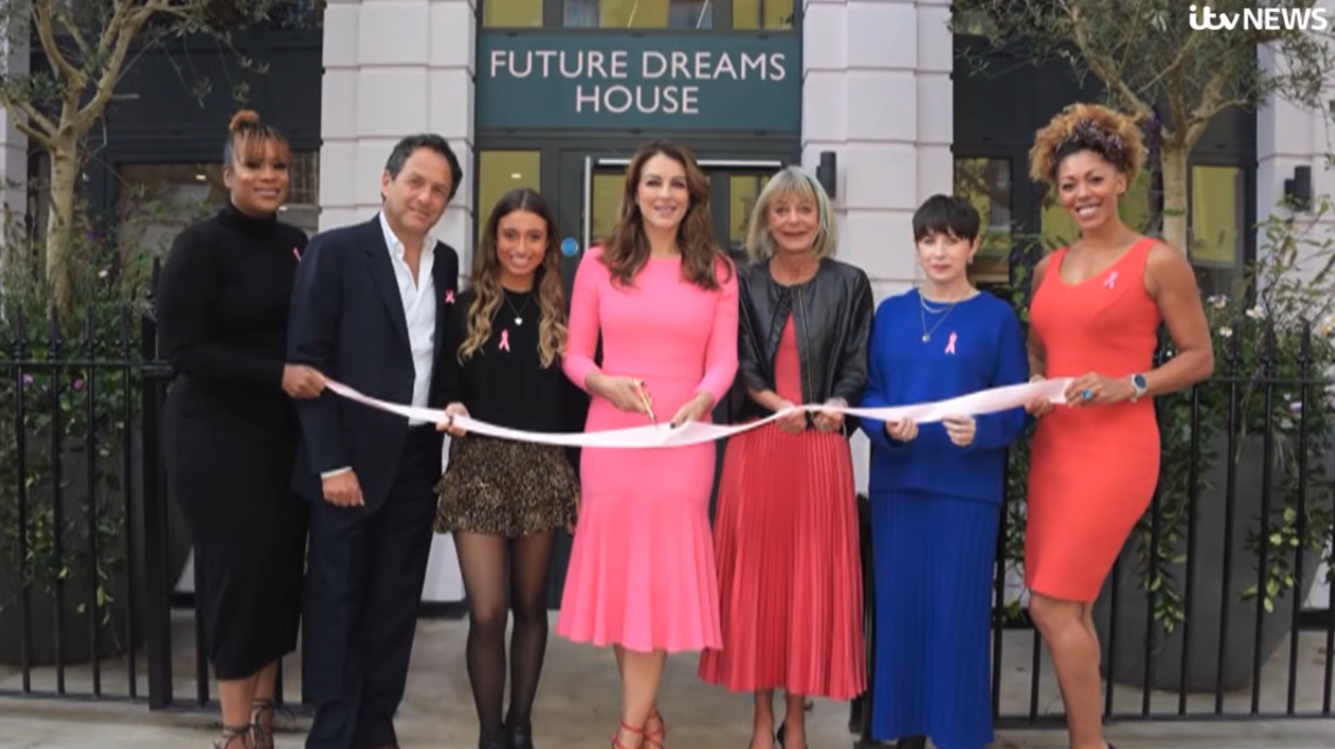
We opened the campaign with the Annual Lunch and the fifth anniversary of Future Dreams House. The lunch gave us a timely way to introduce the charity to a wider audience, while the anniversary took the story inside the House, where people affected by breast cancer can see what support is available and how they might use it.
Those two moments gave us a starting point for Breast Cancer Awareness Month. As October progressed, we shifted the focus to people who had turned to Future Dreams themselves. Their stories gave journalists fresh reasons to return to the charity and showed why people might need different kinds of support during treatment, afterwards or while living with secondary breast cancer.
That progression helped sustain coverage from late September into early November. It also gave each story a purpose beyond marking the anniversary, showing readers and viewers where they could turn if they or someone close to them needed support.
The Results
The campaign generated 51 pieces of coverage, including:
2 broadcast hits
6 national pieces
29 consumer pieces
13 regional pieces
5 trade and business pieces
406.7m combined reach
Coverage included BBC News, ITV London, The Sunday Times, Daily Mail, Daily Mirror, People, InStyle, OK!, Woman’s Own, Chat and Bella.
Beyond the Numbers
The people who turn to Future Dreams made the campaign relatable. They could explain what it feels like to walk into the House for the first time, to meet someone who understands what you’re going through, or to need support long after treatment has finished.
Putting those experiences front and centre made it easier for someone reading or watching to see themselves in the story. For anyone wondering whether the support was for them, the coverage gave them a sense of who they might meet and what taking that first step could look like.
For Future Dreams, the campaign made its role clearer to people who might only have known the charity by name. It showed why the House exists and how its work fits into people’s lives, during treatment, afterwards and while living with secondary breast cancer. Five years after opening its doors, Future Dreams had a chance to show what it had built through the people who use it every day.